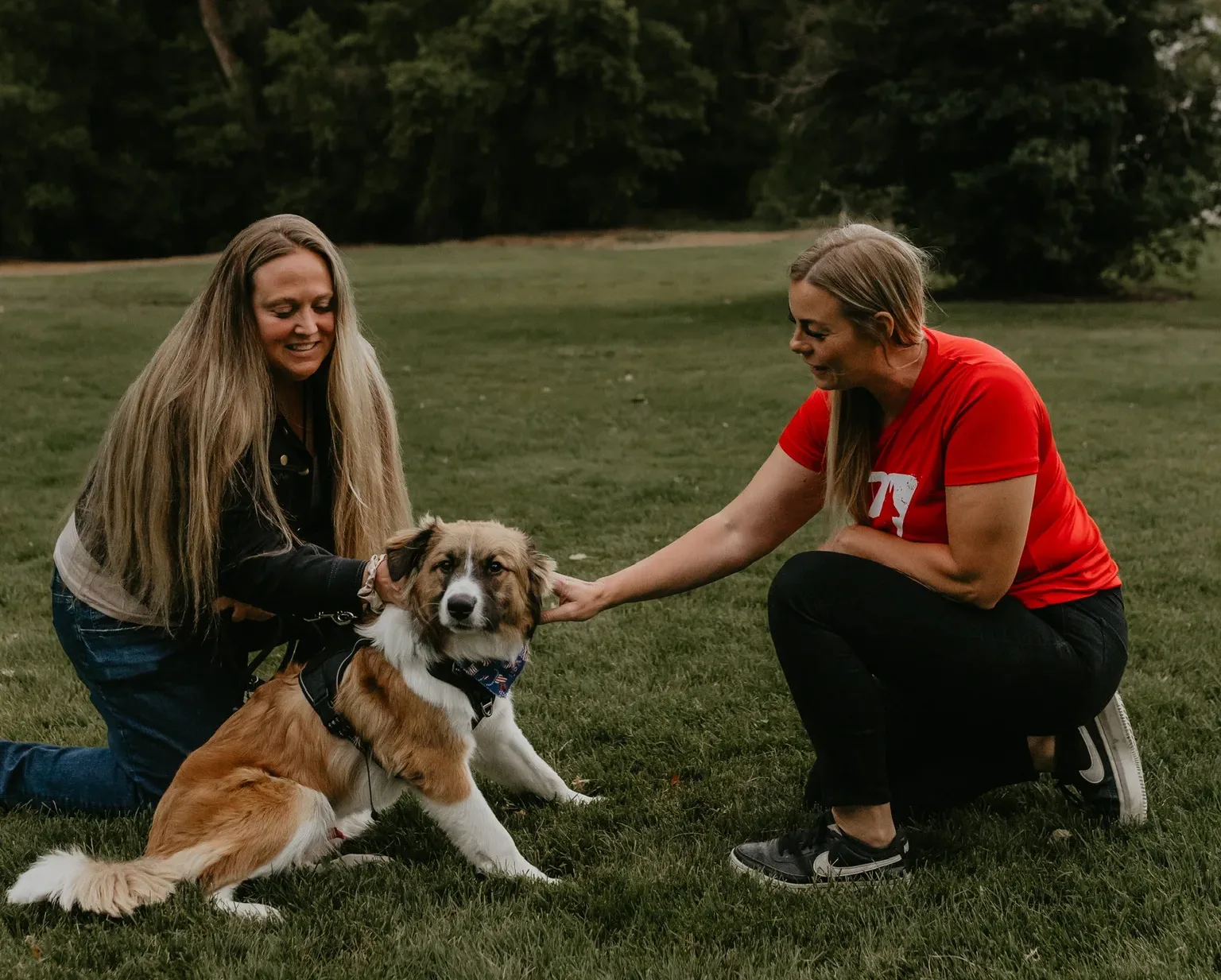
Behavior Modification

Effective behavior modification begins with correct identification. Select the category that best reflects your dog’s behavior.
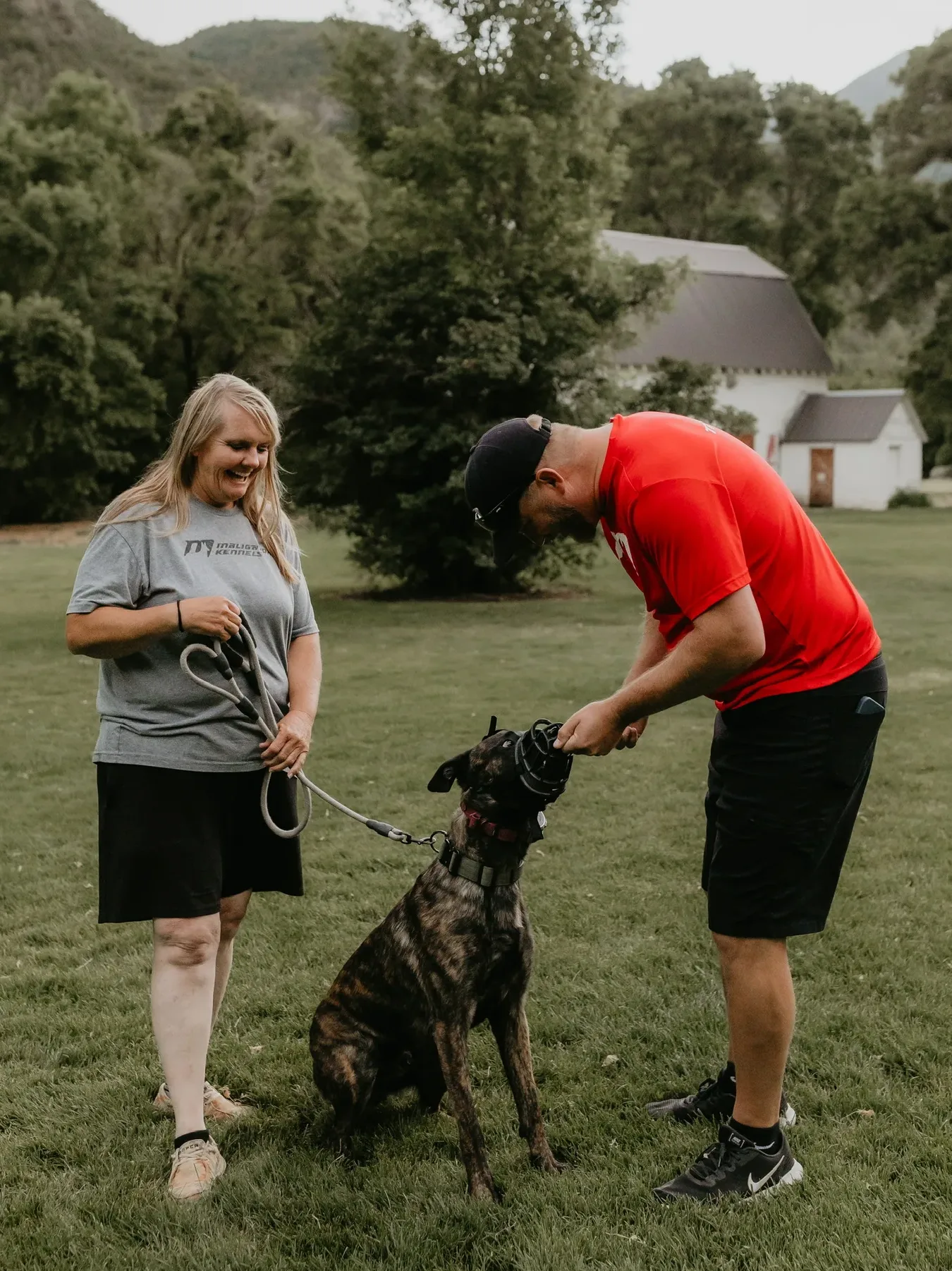
Dog training to stay at a distance

Aggression or Reactivity

Growling, snapping, lunging, resource guarding, or unpredictable reactions toward people or other dogs.

Aggression or Reactivity

Dogs display aggression for many reasons, including fear, insecurity, frustration, resource guarding, or learned behavior. Treating aggression without understanding its origin often leads to escalation or failure.

Maligator Kennels is known across Utah for successfully working with dogs labeled “dangerous,” “unpredictable,” or “untrainable.” Our approach is systematic, ethical, and rooted in behavior science.

We offer three tiers of programs to treat aggression.

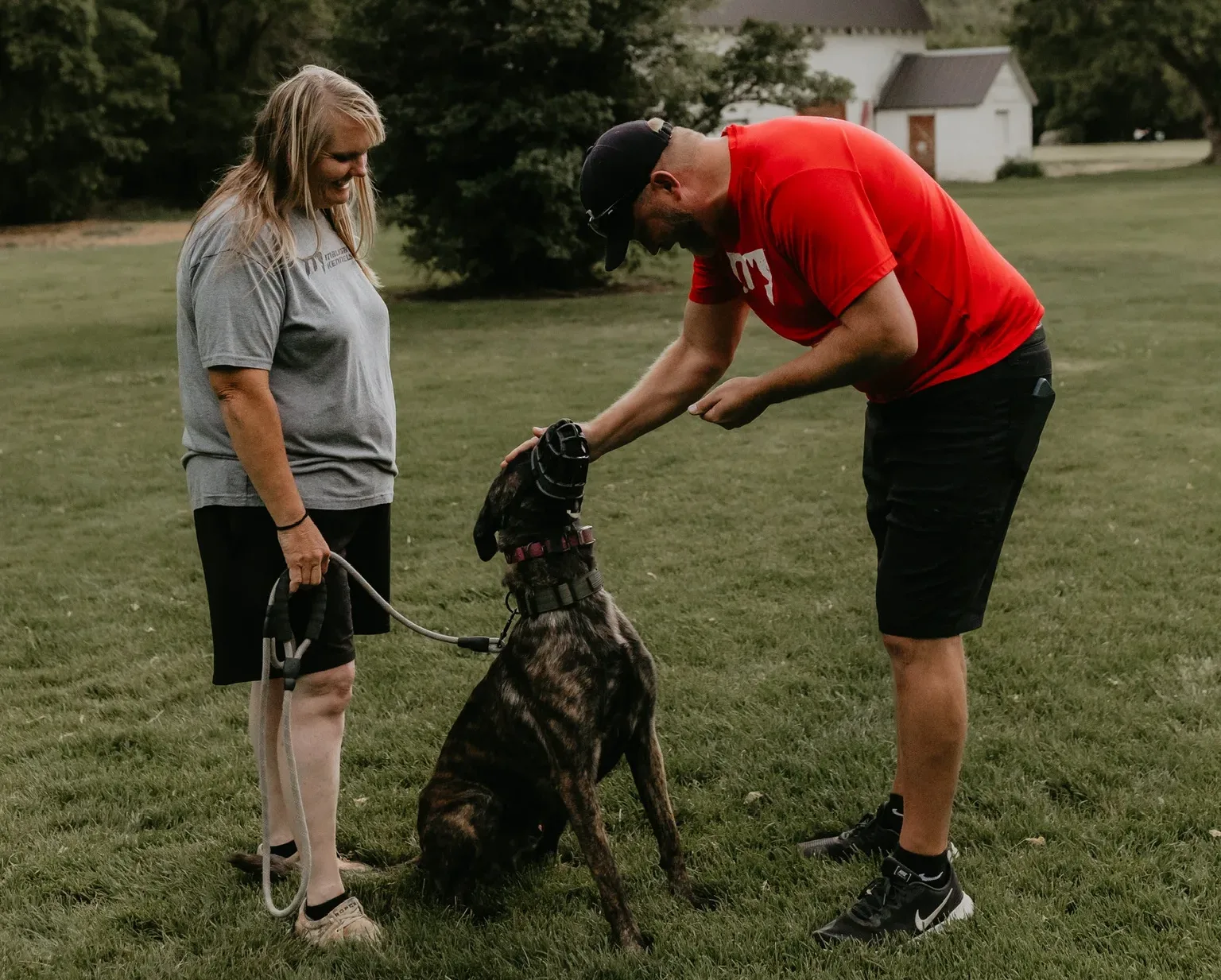
Dog laying calm while being approached

Anxiety or Fear-Based Behavior

Separation distress, noise sensitivity, avoidance, stress-based reactivity, or fear-driven behaviors.

Anxiety or Fear-Based Behavior

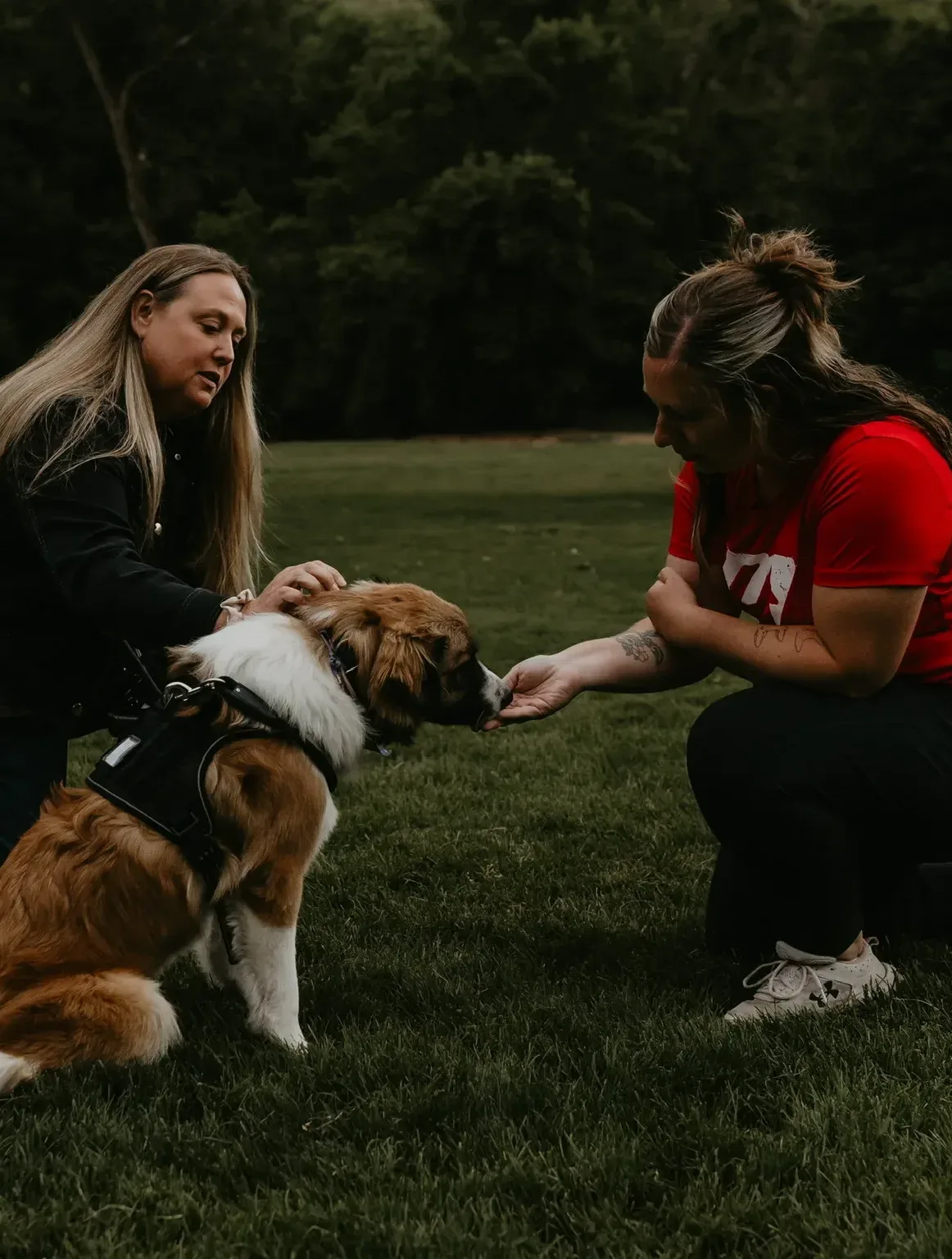
Anxiety is one of the most misunderstood behavior challenges in dogs. It often shows up as nervousness, avoidance, destructiveness, excessive vocalization, or shutdown behavior. However, the root cause is rarely obvious.

Our behavior modification programs for anxiety are grounded in canine psychology. We identify triggers, stress thresholds, learned responses, and environmental contributors before implementing a structured plan that builds confidence and neutrality.

Aggression or Reactivity

Growling, snapping, lunging, resource guarding, or unpredictable reactions toward people or other dogs.
Read More

Dogs display aggression for many reasons, including fear, insecurity, frustration, resource guarding, or learned behavior. Treating aggression without understanding its origin often leads to escalation or failure.

Maligator Kennels is known across Utah for successfully working with dogs labeled “dangerous,” “unpredictable,” or “untrainable.” Our approach is systematic, ethical, and rooted in behavior science.

We offer three tiers of programs to treat aggression:

Anxiety or Fear-Based Behavior

Separation distress, noise sensitivity, avoidance, stress-based reactivity, or fear-driven behaviors.

Read More

Anxiety is one of the most misunderstood behavior challenges in dogs. It often shows up as nervousness, avoidance, destructiveness, excessive vocalization, or shutdown behavior. However, the root cause is rarely obvious.

Our behavior modification programs for anxiety are grounded in canine psychology. We identify triggers, stress thresholds, learned responses, and environmental contributors before implementing a structured plan that builds confidence and neutrality.

Behavior
Starter

Start here for dogs with aggression or anxiety at home or on leash. Focuses on correcting behavior, spotting early signs, and teaching owners clear, calm responses for better control.

$599
5 sessions
One-on-one sessions focused on behavior correction
Educating owners on reading their dog’s body language and triggers
Strategies for redirection and environmental structure
Early behavior resolution to obedience, at the trainer’s discretion

Behavior Rehabilitation

Helps dogs who are reactive or aggressive with strangers or other dogs build better responses in structured settings. Includes Foundational training plus safe socialization.

$1,699
15 sessions
All Starter features
Socialization with well-balanced dogs and trusted humans
Exercises to build impulse control and calm interaction
Obedience training if behavior improves early

Behavior Transformation

Premier offers immersive training for serious aggression or anxiety, adding field trips and play dates to reinforce behavior correction and socialization in real-world settings.

$2,799

25 sessions
All Starter + Rehabilitation features
Supervised field trips to dog-friendly environments
One-on-one or small group play dates with stable dogs
Continued progress in obedience and long-term behavior stability

The goal is to help the dog feel safe, stable, and capable of navigating the world without fear. When anxiety is addressed correctly, dogs behave and feel better.